Financial stability can often seem like a distant dream for many young adults, especially when faced with the pressures of modern life and the constant stream of consumerist culture. Indeed, statistics frequently indicate that a significant portion of younger generations struggles with debt, often finding it challenging to build up substantial savings. The video above offers some truly insightful money saving tips for young adults, providing a direct and actionable framework for those looking to take control of their finances. It is often believed that mastering personal finance during one’s formative years can lay a robust foundation for future prosperity, transforming what appears to be a monumental task into a series of achievable steps.
The journey towards financial health is frequently presented as a complex endeavor, yet it can be broken down into fundamental principles. Understanding these core concepts is crucial, allowing individuals to navigate their spending and saving with greater intention. These strategies are designed not just to cut costs, but also to foster a healthier relationship with money, which is essential for sustained success.
Embracing a Realistic Lifestyle: The Foundation of Financial Wellness
A primary recommendation often emphasized for young adults involves letting go of the pursuit of unrealistic lifestyles. This concept is more than just about avoiding extravagant purchases; it is about adjusting one’s financial expectations to align with one’s current income. Living below your means, for instance, is not about deprivation but about making conscious choices that support your long-term financial goals.
Consider the analogy of a small sapling: it needs careful nurturing and protection in its early stages before it can grow into a strong, resilient tree. Similarly, financial growth is nurtured by making disciplined spending decisions, ensuring that resources are allocated thoughtfully. This approach is widely considered to be a cornerstone for effective money saving tips for young adults, enabling a pathway to financial independence without the constant pressure of keeping up with societal expectations.
The Indispensable Role of a Budgeting Planner
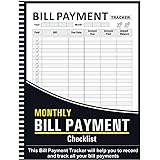
Managing money effectively is often seen as a daunting task, yet a crucial tool that is frequently overlooked is a budgeting planner. It is widely acknowledged that without a clear understanding of where your money is going, controlling it becomes incredibly difficult. A planner serves as a financial GPS, guiding your spending and ensuring you stay on track towards your financial destinations.
Various forms of budgeting exist, each offering a unique framework to suit different preferences. For example, the 50/30/20 rule suggests allocating 50% of your income to needs, 30% to wants, and 20% to savings and debt repayment. Alternatively, a zero-based budget involves assigning every dollar a “job” until your income minus your expenses equals zero, offering a highly controlled approach to spending. The key principle here is consistent tracking and regular review, which helps to illuminate spending patterns and areas for improvement, making budgeting a powerful component of any money saving tips regimen.
Navigating the Debt Landscape: A Critical Avoidance Strategy
One of the most profound pieces of advice offered is to never get into debt, especially consumer debt. While some forms of debt, like student loans or a mortgage, are often viewed as investments, credit card debt or personal loans for discretionary spending are frequently described as financial quicksand. Such debt can quickly accumulate, with interest rates often making repayment a significant burden, diverting funds that could otherwise be saved or invested.
The allure of discounts, as highlighted by the example of ordering $300 worth of clothes on discount, can be a deceptive trap. Although items may be marked down, spending a substantial sum means that money is still leaving your account. This illustrates that even when purchases seem like a good deal, the overall expenditure can still be detrimental to one’s financial health. It is often observed that consumer debt acts like a chain, tying individuals to ongoing payments and limiting their financial freedom, which can be particularly challenging for young adults starting their financial journeys.
Prioritizing Savings: The 30% Rule and Creative Approaches
A concrete strategy that is frequently recommended involves setting aside 30% of your income into savings each month. This seemingly ambitious goal is often presented as a powerful catalyst for rapid financial growth. The video insightfully shares a personal example of saving $10,000 in five months for a trip to Bali, which was achieved partly through the use of a “saving challenge box.”
This creative approach makes saving tangible and less abstract, acting as a physical barrier against impulsive withdrawals from a bank account. A saving challenge box can be likened to planting a garden: the more diligently you tend to it by consistently contributing, the more robust and fruitful your savings will become. This method transforms saving from a mere transaction into an engaging, goal-oriented activity, significantly boosting one’s ability to accumulate wealth. Implementing such proactive money saving tips can lead to remarkable progress toward personal goals.
Cultivating Mindful Spending and Investment in Yourself
Beyond the fundamental principles, cultivating mindful spending habits is crucial. This involves pausing before making a purchase and asking whether it aligns with your financial goals and values. Every purchase is effectively a vote for your financial future; choosing to spend on necessities and investments rather than fleeting desires can significantly alter your trajectory.
For young adults seeking effective money saving tips, the focus should extend beyond just cutting costs to investing in financial literacy. Understanding how money works, how to make it grow, and how to protect it are skills that will serve one throughout life. It is widely understood that a strong financial foundation is not merely about accumulating wealth, but also about building resilience and opening doors to future opportunities.
Still Feeling Broke? Your Money Q&A
What is the foundational principle for young adults starting their financial journey?
The foundation involves embracing a realistic lifestyle and adjusting financial expectations to align with current income, often referred to as living below your means.
Why is using a budgeting planner important for managing money?
A budgeting planner is crucial because it helps you clearly understand where your money is going, guiding your spending and keeping you on track towards your financial goals.
What type of debt should young adults specifically try to avoid?
Young adults should critically avoid consumer debt, such as credit card debt or personal loans for non-essential spending, as it can quickly accumulate with high interest rates and hinder financial freedom.
What is a recommended target for how much income to save each month?
A concrete strategy recommended is to set aside 30% of your income into savings each month, as this can significantly boost your financial growth towards personal goals.
What does it mean to ‘live below your means’?
Living below your means involves making conscious choices to spend less than you earn, which supports your long-term financial goals without constant pressure to keep up with societal expectations.